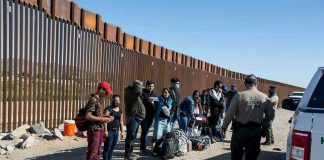


As violent protests, border chaos, and foreign threats intensify, newsrooms are quietly rewriting the rules of journalism, sending reporters into the field with checklists, helmets, and risk models just to stay alive.
Story Snapshot
- Journalism leaders now treat field reporting as “managed risk,” demanding formal safety plans and training before dangerous assignments.
- Safety guides urge risk assessments, protective gear, and emergency contacts, reflecting a hard lesson from years of unrest and conflict.
- Most guidance is common sense, but conservatives should watch for politicized “safety” rules that chill free speech or favor activist narratives.
- Underfunded freelancers and small local outlets often cannot afford full compliance, raising fairness and access concerns.
Why Journalist Safety Became a Frontline Issue
Professional journalism has learned the hard way that modern field reporting is closer to first responder work than to a desk job. Student and professional guides now insist that reporters conduct pre-assignment risk assessments, identify potential hazards, and understand their own physical and mental limits before heading out.[1][2] After years of riots, border surges, political clashes, and foreign conflicts, the industry has shifted from improvisation to structured planning to keep people alive while they gather news.
Major institutions such as the United Nations Educational, Scientific and Cultural Organization (UNESCO) describe safety preparation as a core duty, not an optional extra.[3] Their handbook calls on journalists to gather intelligence, assess risks, choose trustworthy local contacts, and establish communications procedures when operating in dangerous areas.[3] The message is clear: in a world where political violence, cartel activity, and terrorism remain real, reporters without a safety plan risk becoming casualties instead of witnesses.
Inside the New Risk-Assessment Culture
Safety manuals now teach reporters to think like security officers, not just storytellers. The San Francisco State University guide urges students to “assess the risks carefully,” ask what could go wrong, and build a grab bag with first aid supplies, water, goggles, masks, flashlight, phone charger, and press identification before covering high-risk events.[1] The National Association of Hispanic Journalists pushes similar preparation, including a basic protection kit with gas mask, light helmet, protective glasses, phone, first-aid kit, and printed emergency contacts.[2]
Global guidance reinforces the same themes. UNESCO’s field handbook recommends structured risk assessments, hostile-environment training where appropriate, and clear safety and communications procedures for trips into unstable regions.[3] The James W. Foley Legacy Foundation operates a comprehensive training program with fourteen modules on risk assessments, newsroom managers’ responsibilities, and the specific dangers faced by female and minority journalists.[4] Industry coalitions promote formal tools to help editors identify threats and mitigate them before dispatching crews.[5] Together, they frame safety planning as standard operating procedure, not a luxury.
From Helmets to Heartbreak: Physical and Mental Protection
Safety thinking now extends beyond helmets and gas masks. Newsroom resources emphasize that “no story is worth your life or your well-being,” and they encourage reporters to build self-care plans for after difficult assignments.[6] Guidance from press groups urges debriefs after stressful coverage so teams can discuss what went well, what failed, and how to be better prepared next time, while also processing trauma before it hardens into long-term damage.[3][6] Conservative readers will recognize this as basic stewardship of people, not coddling.
At the same time, groups like the Radio Television Digital News Association and the Society of Professional Journalists highlight the special risks faced by solo multimedia reporters who drive, shoot, edit, and front stories alone.[8][9] Their guidelines encourage managers to limit needless solo exposure and to provide training, protective equipment, and clear check-in protocols before sending someone into volatile situations.[8][9] These measures protect not just big coastal networks, but also the small-town reporters who cover crime scenes, wildfires, and tornadoes in America’s heartland.
Conservative Concerns: Safety, Free Speech, and Who Gets Left Behind
For conservatives, the core safety ideas sound like common sense: know the risks, carry basic gear, have a plan, and do not sacrifice human life for ratings.[1][2][3] The challenge comes from how this new safety culture is implemented. The guidance is heavy on checklists and training but light on hard outcome data proving which rules truly reduce harm.[1][2][3][4][5] Without transparency, “safety” requirements could be stretched into pretexts to limit coverage of controversial protests or to keep certain reporters away from politically sensitive stories.
There is also a fairness problem. Many manuals assume a well-funded newsroom that can buy helmets, gas masks, encrypted phones, and pay for hostile-environment training.[2][3][4][5] Freelancers, local outlets, and citizen journalists—the same voices that often challenge elite media narratives—may struggle to meet these standards.[4][5] If big organizations embrace safety protocols that smaller competitors cannot afford, access to the public square may tilt even further toward corporate media, weakening the diverse, free press that the Constitution envisions.
What Patriots Should Watch For Next
Going forward, conservatives should insist on two parallel principles. First, journalists, like any workers, deserve reasonable protection when they cover riots, cartel killings, war zones, or natural disasters; no story justifies treating them as cannon fodder.[1][2][3] Second, safety frameworks must remain tools for liberty, not weapons for gatekeeping or narrative control. That means demanding evidence-based rules, transparent incident data, and equal access to training and gear for small outlets, independents, and student reporters alike.[4][5][8][9]
Under the current administration, federal policy should support voluntary, nonpartisan safety training while avoiding mandates that could morph into speech control. When you hear about new “journalist safety” initiatives, ask who writes the rules, who pays, and whether they protect all reporters or mainly the ones big institutions already favor. America needs courageous, prepared journalists on the streets—shining light on government, exposing corruption, and defending the truth—without turning “safety” into one more excuse to restrict the free press patriots depend on.
Sources:
[1] Web – Student Safety Guide for Reporting in the Field – SFSU Journalism
[2] Web – Journalism Safety Guide – National Association of Hispanic Journalists
[3] Web – Safety guide for journalists: a handbook for reporters in high-risk …
[4] Web – Journalist Safety Guide – Foley Foundation
[5] Web – Keeping your staff safe – Democracy Toolkit
[6] YouTube – Prioritizing Our Safety: Physical and Online Tools for Journalists
[8] Web – SAFE Journalist Training & Resources
[9] Web – Reporting Safely and Ethically: Multimedia Journalist Safety …