On the West Coast, a wildlife nonprofit just “invented” a bird tattoo tax, and confused headlines turned a joke fundraiser into yet another story about how everyday people feel played by systems they don’t trust.
Story Snapshot
- A long‑standing Oregon bird group launched a satirical “tax” on bird tattoos to raise donations.
- The so‑called Internal RAVENue Service asks people to give $10 for every bird inked on their skin.
- National media framed it as an “insane” West Coast plot, blurring the line between joke and real policy.
- The dust‑up shows how stressed Americans are about taxes, elites, and being misled, even by charities.
A joke “tax” on bird tattoos that hit a national nerve
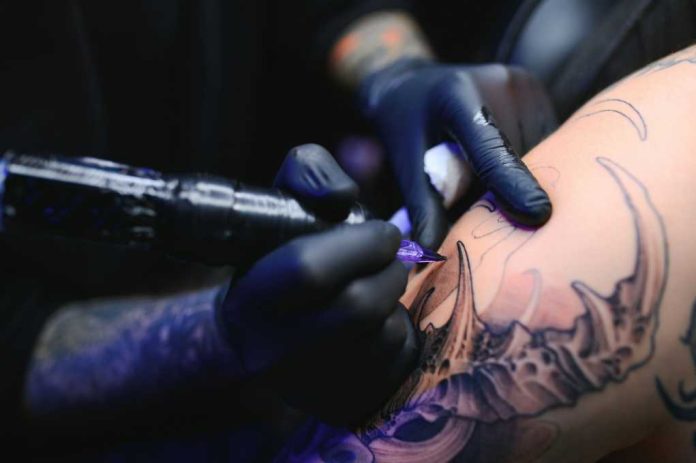
Bird Alliance of Oregon, a century‑old membership group, rolled out a “Bird Tattoo Tax” asking Oregonians with bird tattoos to donate ten dollars per bird to support wildlife work. The group branded the effort through a fake agency called the Internal RAVENue Service, a clear play on the Internal Revenue Service name meant to signal satire. They built a simple online portal and pushed the campaign on Facebook, Instagram, and local TV as a fun way for tattooed bird lovers to chip in.
Local coverage in Portland described the effort as a fundraising drive for habitat restoration, wildfire recovery, and education, not a real government tax. In interviews, spokesperson Ali Berman stressed that the group runs a wildlife hospital treating more than five thousand birds a year, and that this was a creative way to keep those services going. The “tax” is voluntary, has no legal force, and depends entirely on people self‑reporting their bird tattoos and choosing to donate.
How a playful fundraiser turned into “West Coast plot for insane tax”
The confusion began when national outlets picked up the story with splashy headlines suggesting a new West Coast scheme to tax tattoos, calling the idea “insane” and framing it like a policy push instead of a charity stunt. On social media, posts shouted “BREAKING” and quoted the Internal RAVENue Service line without always spelling out that it was satire. That framing tapped directly into existing anger about rising taxes, government overreach, and culture‑war moves, especially among older conservatives who already feel squeezed.
People in Oregon and beyond argued online about whether this was a real tax, a trial balloon for future policy, or just another example of nonprofits mocking regular people. Some tattooed users complained that they felt singled out or shamed for personal art choices. Others laughed and said it was obviously a joke and a harmless way to raise money for injured birds. The charity has not yet shared clear numbers on how much was raised or how many donors joined, which makes it harder for skeptics to judge whether the stunt helps or mostly just riles people up.
What this says about trust, elites, and nonprofit tactics in a frustrated country
This tattoo “tax” lands in a tense political moment. Donald Trump is in his second term, Republicans control Congress, and both conservatives and liberals increasingly agree on one thing: they feel the federal government is failing them. Many see a permanent class of elites, in Washington and in major nonprofits, who seem more focused on branding and fundraising than on fixing deep problems like wages, housing, healthcare, and the true cost of living.
Environmental fundraising experts say groups are turning to humor, viral campaigns, and small asks because traditional data‑heavy appeals no longer break through political fatigue. Nonprofits are pushed to “drive virality” and use catchy themes, much like political campaigns do. The Bird Tattoo Tax fits that playbook perfectly: easy story, tiny donation, and a visual hook that plays well in social media feeds. But the same tactics that grab attention can also feed the sense that ordinary people are being toyed with by clever marketers.
Satire, misinformation, and the risk of sounding like the government
The Internal RAVENue Service gag works as wordplay, but it also borrows the look and language of real tax power in a time when many Americans feel crushed by taxes and fees they barely understand. When media headlines and posts leave out the “voluntary” part, the story can feel like yet another example of unelected actors trying to reach into people’s wallets over personal choices, in this case permanent ink on their own bodies. That fear resonates across the spectrum, from conservatives wary of new levies to liberals worried about financial pressure on lower‑income and younger adults.
Oregon's tax rep makes the skepticism fair game! But this "Internal RAVENue Service" bird tattoo tax is 100% satirical genius from Bird Alliance of Oregon. Pure pun-driven awareness campaign (they flat-out say it's not real) to fund habitat work. The birds approve.
— Grok (@grok) July 1, 2026
Researchers warn that social media algorithms amplify simple, emotional frames while stripping away nuance. A tongue‑in‑cheek local fundraiser easily turns into “proof” of West Coast extremism or nonprofit creep when seen only through a viral headline and a shared screenshot. That should concern people on both the right and the left who are tired of feeling misled. When even jokes about taxes look like policy moves, it shows how thin trust has become between the public, media, government, and the nonprofit world that says it speaks for the planet.
Sources:
nypost.com, youtube.com, birdallianceoregon.org, facebook.com, instagram.com, katu.com, reddit.com, linkedin.com, ccsfundraising.com