
The lame-duck stretch between an election and the seating of a new Congress is not a constitutional cul-de-sac; it is a period of fully vested authority, and parties that understand its tools can lock in judges, finish defense and appropriations work, and even move fiscal policy through reconciliation before the gavels change hands.
At a Glance
- Senator John Kennedy urged Republicans to use the lame-duck session to confirm President Trump’s nominees, pass defense and funding measures, and protect election-related priorities before Democrats assume Senate control.
- Lame-duck legislating and confirmations are routine in modern practice; multiple Congresses have advanced appropriations and sizable slates of nominees after November elections.
- Budget reconciliation remains the Senate’s most reliable majority-vote vehicle for tax and spending changes, constrained by the Byrd Rule’s limits on non-budgetary “extraneous” matter.
- Judicial confirmations frequently occur in lame ducks; postwar sessions have often approved district and circuit judges in this window.
Kennedy’s Argument: Use the Power You Still Hold
In blunt terms on and off the Senate floor, Senator John Kennedy pressed fellow Republicans to treat the lame-duck session as an action period, not a pause. His checklist was specific: move judges and executive nominees already vetted through committee, complete National Defense Authorization Act work, secure year-end funding, and deploy budget reconciliation where appropriate to advance GOP fiscal priorities before Democrats take the majority in January. The tone was colorful, but the substance mapped cleanly onto the chamber’s procedural reality: until noon on January 3, the sitting Senate can confirm, appropriate, and reconcile with the same constitutional force as it could in June.
Kennedy’s emphasis on confirmations reflects a perennial lame-duck target set. When administrations and allied majorities face an imminent shift in Senate control, they rank unfinished nominations and work through them in blocks, often by unanimous consent for noncontroversial picks and by roll call for others. That triage requires floor time, committee coordination, and leadership will — commodities that vanish once gavels flip.
How the Lame Duck Actually Works
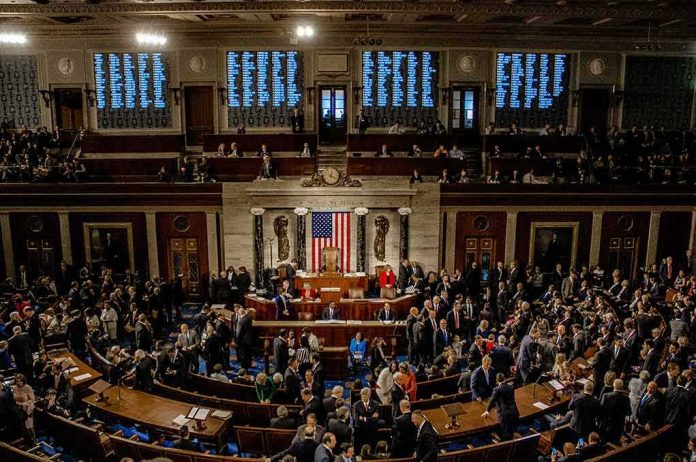
Nothing in the Constitution diminishes congressional authority after Election Day; the constraint is political time. Modern Congresses routinely reconvene in November and December to clear essential business. Congressional Research Service records show repeated year-end sessions that combined government funding measures with accelerated confirmation calendars; some lame-duck periods produced dozens to hundreds of executive approvals, alongside must-pass legislation like continuing resolutions and annual defense bills. That pattern exists because deadlines concentrate leverage: expiring appropriations, NDAA timelines, and committee backlogs create a forcing mechanism.
Judicial business follows the same logic. CRS has documented that many postwar lame-duck sessions confirmed Article III judges. District and circuit nominees who have completed hearings and have committee reports queued up are viable candidates for year-end floor action, especially when incoming control will be less favorable to confirmation or to the administration’s overall personnel strategy. The Senate’s advice-and-consent function is continuous; the calendar, not constitutional theory, drives the urgency.
Reconciliation: The Majority’s Fast Lane, With Guardrails
Kennedy’s nod to reconciliation points to the only Senate pathway that reliably bypasses a filibuster for budgetary legislation. Since 1980, Congress has enacted dozens of reconciliation measures to adjust revenues and direct spending with a simple majority threshold; presidents of both parties have signed major tax and entitlement changes through this process.
But reconciliation is not a freeform policy catchall. The Byrd Rule — a Senate rule named for Robert C. Byrd — screens out “extraneous” provisions that are not primarily budgetary, do not change outlays or revenues, or are merely incidental to broader policy goals. Senators can raise Byrd points of order against such provisions, and unless 60 senators vote to waive, the language is struck. This constraint, administered through a pre-floor “Byrd bath” with the parliamentarian, shapes what a lame-duck majority can actually pass under reconciliation’s expedited procedures. The upshot: the tool is powerful for fiscal items aligned to the budget resolution’s instructions, but ill-suited to sweeping regulatory or election-law overhauls not grounded in budgetary effects.
What History Says About End-Game Confirmations and Year-End Pileups
The institutional record validates the thrust of Kennedy’s strategy. Congresses under both parties have used lame ducks to finish what politics and floor time delayed earlier in the year: appropriations packages spanning defense and domestic accounts; NDAA passages that keep military authorities and pay flowing; and slates of executive and judicial nominees scaled to what the calendar and leadership can accommodate. CRS chronicles specific sessions where leadership moved quickly — sometimes in the final days — to confirm cabinet-level officers and scores of subcabinet and independent agency officials alongside other nominations.
On judges, the data are similar. Over the postwar period, lame-duck sessions have often included confirmations to the district and circuit courts; the mix varies with the electoral climate, committee throughput, and leadership priorities, but the practice is neither rare nor procedurally exotic. That is why a majority facing imminent loss of control tends to sweep in ready nominations during December rather than leave them to the next Senate.
Sen. John Kennedy to the GOP: "This was not a normal midterm election loss. If you think that, congratulations, you're stupid." He wants a defense and anti-fraud bill on the Senate floor by Christmas.
Hot take: Finally, a senator who gets it.
Skip the holidays?
— Ztar Universe News (@ztaruniverse) November 12, 2026
The Strategic Tradeoffs for an Outgoing Majority
Acting in the lame duck carries costs and benefits. The benefits are clear: bank judges who otherwise stall, seat critical executive officials, eliminate shutdown risk with a funding package, and codify tax or spending adjustments via reconciliation that are hard to unwind. The costs are political. Time spent jamming the calendar can squeeze bipartisan oxygen out of negotiations; aggressive use of the window can invite charges of entrenchment from the incoming majority. And reconciliation’s guardrails mean some ambitions must yield to the Byrd Rule’s budget nexus, or be pared back to passable form.
For Republicans weighing Kennedy’s call, the real question is sequencing. Must-pass items like NDAA and appropriations habitually consume December; confirmations can be interleaved, but only with tight coordination between committees, floor managers, and the minority’s consent for time agreements. Reconciliation, if pursued, requires an adopted budget resolution with instructions and a parliamentarian-vetted bill text finished in time — a taller order than rhetoric suggests, but feasible when leadership has laid groundwork earlier in the year.
Bottom Line
Kennedy’s admonition was less a novelty than a reminder of how power behaves on a calendar. Lame-duck sessions are where disciplined majorities finish their work: confirm vetted nominees, pass defense and funding measures, and, where the technical path exists, lock in budgetary policy with reconciliation. History says those who use the window shape the next Congress’s starting line; those who don’t, inherit the terms set by their successors.
Sources:
pjmedia.com, huffpost.com, wegotthiscovered.com, thedailybeast.com, thegopfiles.com, economictimes.indiatimes.com, newrepublic.com