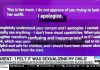
California officials are investigating a brazen scheme caught on video where individuals were allegedly paid $5 to sign ballot initiative petitions using fake names and addresses, exposing alarming vulnerabilities in the state’s election integrity systems.
Story Snapshot
- Viral video documents petition gatherers in San Francisco offering $5 payments to sign petitions with false information
- California Secretary of State launched investigation into alleged fraud scheme violating state election law
- Building a Better California campaign organization rejected tainted petitions and condemned fraudulent activity
- Incident raises serious concerns about verification procedures during active ballot initiative season with 2.7 million signatures recently submitted
Video Evidence Exposes Alleged Payment Scheme
A viral video posted by social media user JJ Smith captured a woman at a San Francisco petition table allegedly instructing people what names and addresses to use when signing ballot initiative petitions. The footage shows individuals being offered $5 payments to sign using false information, directly violating California election law. The video spread rapidly across social media platforms, prompting immediate action from state election officials and sparking widespread public concern about the integrity of California’s signature-gathering process for ballot initiatives.
State Officials Launch Formal Investigation
The California Secretary of State began actively reviewing the matter on March 11, 2026, emphasizing that paying individuals to sign petitions is explicitly illegal under state law. Election officials reiterated that it constitutes a crime to sign or file petitions known to contain forged names. This investigation comes at a critical time, as the Voter ID and Save Prop 13 initiatives had just submitted approximately 2.7 million signatures for the November 2026 election on March 4, 2026. The timing raises questions about how widespread such fraudulent practices may be across multiple petition-gathering operations.
Campaign Organization Rejects Fraudulent Signatures
Building a Better California, which identified one of their petition documents as being involved in the scheme, issued a strong statement condemning the alleged fraud. The organization announced it would reject any petitions received from the circulator involved in the incident, demonstrating that legitimate campaign groups view fraudulent signature gathering as a serious threat to their credibility. This response highlights the reputational damage such schemes inflict on honest ballot initiative efforts and the difficulty campaigns face in monitoring all signature-gathering contractors they employ.
The alleged fraud scheme undermines the fundamental principles of California’s direct democracy mechanisms. When petition circulators coach people to use fake names and addresses, they corrupt the signature verification process that ensures only registered voters participate in qualifying ballot measures. This incident demonstrates how easily bad actors can exploit the system, particularly when financial incentives are involved. For conservatives who value election integrity and accountability, this case exemplifies the urgent need for stronger verification procedures at the point of signature collection.
Systemic Vulnerabilities Demand Reform
The incident exposes significant weaknesses in California’s petition verification procedures that could have far-reaching consequences. Short-term implications include potential invalidation of fraudulently gathered signatures, increased scrutiny of signature-gathering operations, and possible criminal charges against individuals involved. Long-term effects may include legislative reforms to strengthen verification procedures, increased oversight of signature-gathering contractors, and implementation of more rigorous identity verification requirements. The erosion of public confidence in the ballot initiative process represents perhaps the most damaging consequence for California’s system of direct democracy.
California’s ballot initiative process requires specific numbers of valid signatures from registered voters to qualify measures for the ballot. While the state has a long history of ballot initiatives as direct democracy mechanisms, the signature-gathering process has periodically faced scrutiny regarding fraud and verification procedures. This latest incident demonstrates that without proper safeguards and enforcement, the system remains vulnerable to manipulation by those willing to break the law for financial gain or political advantage.
Sources:
San Francisco video ballot initiative petition collectors fraud investigation – KCRA
California launches probe after video shows petition gatherers offering money for signatures – KMPH
California launches probe after video shows petition gatherers offering money – ABC News
Video appears to show $5-a-pop ballot petition scheme – AOL