

Eleven people spent hours adrift on a life raft in the Atlantic Ocean with no idea whether help was coming — and somehow, every single one of them made it home alive.
Story Highlights
- A Beechcraft 300 King Air turboprop ditched in the Atlantic Ocean roughly 50 miles east of Vero Beach, Florida, after reporting engine failure.
- All 11 occupants survived, spending hours on a life raft before U.S. Coast Guard and Air Force Reserve crews located and rescued them.
- The aircraft had departed Marsh Harbour in the Bahamas and lost contact shortly after the pilot declared an emergency.
- The cause of the engine failure has not been officially confirmed; investigators are expected to determine probable cause through a formal review process.
Engine Failure Forces Emergency Ditching in Open Ocean
On Tuesday, May 12, 2026, a Beechcraft 300 King Air turboprop carrying 11 people went down in the Atlantic Ocean approximately 50 miles east of Vero Beach, Florida. Authorities said the pilot declared an emergency after reporting engine failure, then ditched the aircraft in open water. Contact with the plane was lost shortly after the emergency declaration, triggering a search-and-rescue response by the U.S. Coast Guard around midday. The aircraft is registered as HP-1859 and had previously departed from Marsh Harbour in the Bahamas.
The 11 occupants managed to exit the aircraft and board a life raft after the ditching. According to reports, survivors spent hours floating in open ocean with no confirmation that rescuers had located them or that help was on the way. The uncertainty of those hours — adrift, far from shore, unsure whether anyone was coming — underscores just how quickly a routine flight can become a life-or-death situation, and how critical preparedness and emergency equipment can be when things go wrong at altitude over water.
Coast Guard and Air Force Reserve Complete Successful Rescue
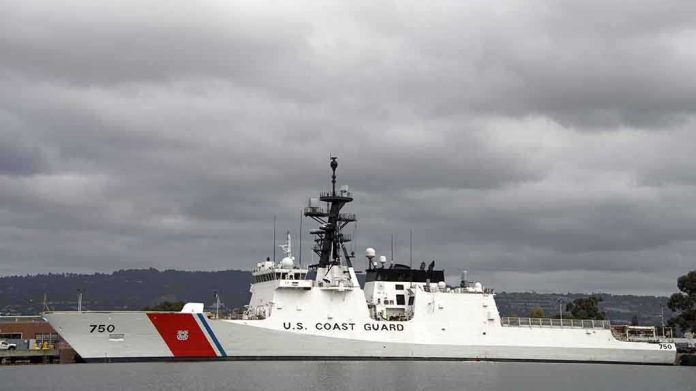
U.S. Coast Guard crews, assisted by Air Force Reserve personnel, launched a search-and-rescue operation after the emergency was reported. Rescue teams located the downed aircraft and recovered all 11 survivors alive. The operation was described across multiple news outlets as a remarkable outcome given the circumstances — an open-ocean ditching far from shore, with occupants surviving both the impact and an extended wait on a life raft. The Coast Guard confirmed the successful recovery of all persons aboard.
Successful ditchings of this kind are statistically rare in business aviation. Most open-ocean emergencies at this distance from shore do not end with all occupants recovered. The outcome here reflects both the skill of the pilot in executing a controlled water landing and the effectiveness of the Coast Guard’s search-and-rescue response. It also reflects the value of having emergency flotation equipment on board — a detail that proved decisive in keeping all 11 people alive long enough to be found.
Cause Still Under Investigation — Early Reports Should Be Read Carefully
Early media reports attributed the emergency to engine failure, but the formal cause of the incident has not been officially determined. The National Transportation Safety Board (NTSB) is the agency responsible for investigating aviation accidents and determining probable cause — a process that typically takes months and relies on physical evidence, flight data, and witness accounts. Attributing a specific mechanical cause before that process concludes is common in early news coverage but should be understood as preliminary.
#BAHAMAS: The aircraft, identified as a Beechcraft 300 King Air (BE30), registration HP-1859, had previously departed Leonard Thompson International Airport before the emergency unfolded.
— CaribbeanNewsNetwork (@caribbeannewsuk) May 13, 2026
This pattern — where early reporting locks onto the most accessible explanation before investigators have completed their work — is well-documented in aviation accident coverage. It does not mean the engine failure account is wrong; it means the public record does not yet formally support it. What is not in dispute is the outcome: a pilot made a controlled emergency landing on open ocean, all 11 people on board survived, and the U.S. Coast Guard brought them home. In a world that rarely delivers unambiguous good news, that part of the story needs no qualification.
Sources:
[1] Web – Eleven Rescued After King Air Crashes Off Florida Coast – AVweb
[2] Web – Loss of control Accident Beechcraft B100 King Air N30HG, Monday …
[3] YouTube – N30HG Evangelist King Air Crash Coral Springs FL 10 Nov 2025
[4] YouTube – Latest UPDATE on KingAir Crash in Florida
[5] Web – King Air Carrying Jamaica Relief Supplies Crashes in Florida | AIN
[6] Web – Survivors of plane crash off Florida Coast were on a life raft for …
[7] Web – 11 rescued after a small plane crashes off the Florida coast