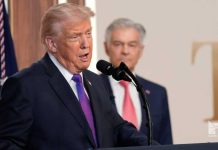


President Trump announces peace between Russia and Ukraine is close, with only one or two issues left after his direct meeting with Zelensky, signaling a major diplomatic victory for America First foreign policy.
Story Highlights
- Trump met Ukrainian President Zelensky on Sunday, declaring both sides near a peace deal.
- Trump believes Zelensky and Putin both desire peace, positioning him as the key dealmaker.
- This breakthrough aligns with Trump’s record of securing ceasefires and nominations for Nobel Peace Prizes.
- Potential end to the conflict reduces U.S. burdens from endless foreign entanglements.
Trump-Zelensky Meeting Yields Peace Progress
President Donald Trump met Ukrainian President Volodymyr Zelensky on Sunday in a pivotal discussion. Trump announced both sides are getting close to closing the deal on peace between Russia and Ukraine. He noted only one or two issues remain unresolved. This development underscores Trump’s hands-on approach to resolving international conflicts that drain American resources. Conservatives applaud this shift away from open-ended aid commitments under prior administrations.
Trump’s Belief in Mutual Desire for Peace
Trump emphasized his conviction that both Zelensky and Russian President Vladimir Putin want peace. This assessment comes from his direct engagement with leaders involved. The statement reflects Trump’s deal-making expertise, honed through past successes like Abraham Accords and recent ceasefires. By highlighting mutual interest, Trump positions the U.S. as a broker rather than a combatant. This strategy prioritizes American interests over globalist interventions, resonating with voters tired of overseas spending.
Context of Trump’s Peacemaking Record
Trump’s announcement builds on his proven foreign policy wins. In his second term, he secured ceasefires between India and Pakistan, Israel and Iran, and a peace agreement between Rwanda and the Democratic Republic of Congo. He also forged a pathway to stability in Syria. These feats earned him three Nobel Peace Prize nominations since returning to office. Such outcomes validate Trump’s promise to end wasteful wars, freeing funds for domestic priorities like border security and tax cuts.
Unlike previous administrations that escalated Ukraine involvement with billions in unchecked aid, Trump’s method demands quick resolutions. He recently inked an agreement providing Ukraine military equipment, with NATO footing the bill. This ensures allies contribute fairly, upholding America’s leverage without sole taxpayer burden. Patriots see this as reclaiming U.S. sovereignty in global affairs.
Implications for U.S. Priorities
A Russia-Ukraine peace deal promises relief from fiscal drains tied to the conflict. Trump’s leadership has already ramped up deportations, cut illegal immigrant benefits, and passed massive tax cuts via the One Big Beautiful Bill. Ending this war aligns with slashing foreign aid waste, as seen in his $9 billion rescissions package targeting leftwing scams. Families benefit from redirected resources toward economic growth and security.
Trump’s broader agenda includes obliterating Iran’s nuclear program and raising NATO defense spending to 5% of GDP. These moves strengthen U.S. position without overextension. Conservatives view the Ukraine progress as another step toward limited government abroad, preserving funds for rebuilding America. With markets hitting records and wages rising, peace dividends could accelerate prosperity for working families.
Sources:
Trump Administration Accomplishments – The White House
President Trump Marks Six Months in Office with Historic Successes
The long list of ways Trump changed the federal government in 2025
Second presidency of Donald Trump – Wikipedia