President Trump’s suggestion of a “friendly takeover” of Cuba signals a bold shift in U.S. foreign policy that could finally liberate millions from decades of communist oppression while addressing a national security threat just 90 miles from American shores.
Story Snapshot
- Trump publicly floated a “friendly takeover” of Cuba amid the island’s economic collapse caused by U.S. oil embargo
- Secretary of State Marco Rubio conducts high-level negotiations with Cuban government following deadly boat incident
- Cuba faces humanitarian crisis with only 40% fuel self-sufficiency after Venezuela oil lifeline severed
- Trump administration’s January executive order imposed tariffs on nations selling oil to Cuba, accelerating regime pressure
Trump Escalates Pressure on Communist Regime
President Trump announced Friday that the United States may pursue a “friendly takeover” of Cuba, describing the communist nation as being in “deep trouble” with no money, oil, or food. The remarks came while departing the White House for Texas, marking an unprecedented public acknowledgment of potential regime change. Trump emphasized ongoing high-level talks between Secretary of State Marco Rubio and Cuban officials, suggesting negotiations have progressed beyond typical diplomatic channels. The President framed the potential takeover as beneficial for Cuban exiles who fled communist tyranny, many of whom form a crucial conservative base in Florida.
Economic Stranglehold Brings Havana to Negotiating Table
The Trump administration’s strategic pressure campaign began in January 2026 when U.S. actions led to Venezuelan leader Nicolás Maduro’s ouster, eliminating Cuba’s primary oil supplier. On January 29, Trump issued an executive order declaring Cuba a national security threat and imposing tariffs on any country selling oil to the island nation. The impact proved devastating, with Cuba now producing only 40 percent of its fuel needs. Blackouts plague Cuban cities daily, petrol rationing restricts transportation, and bus routes have been suspended. Mexico halted its last oil shipment in late February under pressure from U.S. threats, completing the economic isolation.
Rubio’s Personal Stake in Cuba’s Future
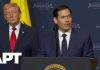
Secretary of State Marco Rubio brings unique perspective to negotiations, with both parents born in Cuba before fleeing Castro’s revolution. Rubio has publicly called the Cuban government a “disaster” run by “incompetent, senile men,” reflecting frustration shared by millions of Cuban-Americans who watched relatives suffer under communist rule. His involvement signals the administration’s commitment to addressing decades of failed diplomacy that allowed the regime to survive through Russian and Venezuelan support. The personal connection enhances credibility with Cuban exiles while potentially creating backchannel communications unavailable to previous administrations. Rubio’s meetings with Cuban officials occur at levels suggesting serious negotiations rather than symbolic gestures.
Deadly Incident Heightens Urgency
Wednesday’s deadly confrontation between Cuban Coast Guard forces and a U.S.-registered speedboat carrying Cuban exiles killed four and wounded six, with at least one American confirmed among the casualties. Cuba claims the boat attempted armed infiltration, while U.S. officials conduct independent investigations with initially muted responses. The incident underscores mounting tensions as desperate Cubans attempt to flee collapsing conditions or potentially organize resistance. Trump and Rubio vowed the United States would “respond accordingly,” though specific actions remain unclear. The timing, just days before Trump’s takeover comments, raises questions about whether the attack accelerated administration planning or provided justification for stronger measures already under consideration.
Trump on Cuba: May or may not be a ‘friendly takeover’ https://t.co/Qe9hvGQxmD
— CTV National News (@CTVNationalNews) March 10, 2026
United Nations officials warn humanitarian consequences are “deepening by the day” as ordinary Cubans face starvation and lack basic services. The regime’s desperate situation presents opportunities unavailable since the Cold War, when Soviet backing sustained Castro’s government despite economic failures. Conservative voters who endured years of Obama-era appeasement and watched Biden’s weakness abroad now see Trump leveraging American power to challenge communist tyranny without military invasion. Whether through economic integration, political restructuring, or regime replacement, the “friendly takeover” concept acknowledges reality that Cuba’s current trajectory leads only to failed state status, potential refugee crises, and continued suffering for millions trapped under authoritarian rule.
Sources:
Trump hints at ‘friendly takeover’ of Cuba amid deepening crisis – Daily Sabah
Trump Threatens ‘Friendly’ Takeover of Cold War Enemy, Cuba – The Daily Beast
President Donald Trump floats ‘friendly takeover’ of Cuba – ABC News