A policy shift restricts SNAP purchases of soda and candy, igniting debates on health and economic impacts.
Story Highlights
- Five states implement new SNAP food restrictions banning soda and candy.
- Reforms aim to promote health but face criticism for potential burdens on low-income families.
- SNAP recipients in Indiana, Iowa, Nebraska, Utah, and West Virginia are affected.
- USDA waivers under Trump Administration allow state-specific bans beyond federal proposals.
SNAP Restrictions Take Effect in Five States
On January 1, 2026, five states—Indiana, Iowa, Nebraska, Utah, and West Virginia—initiated new SNAP restrictions, prohibiting purchases of soda, candy, and select junk foods. This policy shift, supported by USDA-approved waivers, aims to promote public health by reducing consumption of unhealthy foods among low-income families. However, it has sparked debate between health advocates and critics who warn of increased financial strain and stigma for affected recipients.
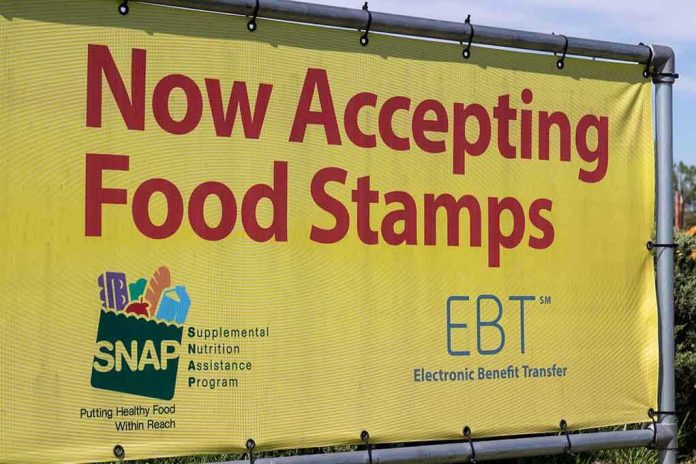
The USDA’s decision to approve these waivers under the Trump Administration reflects a broader strategy to reform SNAP, focusing on nutritional value and program integrity. This move follows longstanding calls to restrict non-nutritious purchases, an effort that gained momentum with the recent federal flexibility allowing states to tailor their SNAP policies. Despite these intentions, the implementation faces challenges, including potential checkout confusion and the need for retailers to update their electronic benefit transfer systems.
State-Specific Rules and Implications
The new restrictions vary by state, with Iowa enforcing a broad ban on all taxable foods except seeds and plants, while other states target specific items such as soda and candy. This localized approach allows each state to address its unique health priorities but also complicates compliance for retailers and recipients. States like Indiana and West Virginia have focused on restricting soft drinks, while Nebraska includes energy drinks in its ban.
These changes impact approximately 42 million SNAP recipients nationwide, predominantly low-income families who rely on the program for essential nutrition. While the restrictions aim to encourage healthier choices, they also risk unintended consequences such as increased financial pressure on struggling families and potential stigmatization at the checkout line.
Future Prospects and Broader Impacts
With five states already implementing these bans, the USDA has approved similar waivers for thirteen more states, including Arkansas and Colorado, set to roll out later in 2026. This expansion indicates a growing trend towards state-specific SNAP reforms aimed at addressing public health issues like obesity. However, the long-term effectiveness and social implications of such policies remain to be seen.
Economically, these restrictions could lead to savings for taxpayers by reducing expenditures on junk food, estimated at $1-2 billion annually. Yet, they also pose a challenge to beverage and snack industries facing potential revenue losses. The broader political and social impacts of these changes continue to provoke discussion, highlighting the complex interplay between health policy and economic realities.
Sources:
USDA SNAP Waivers and Food Restrictions