

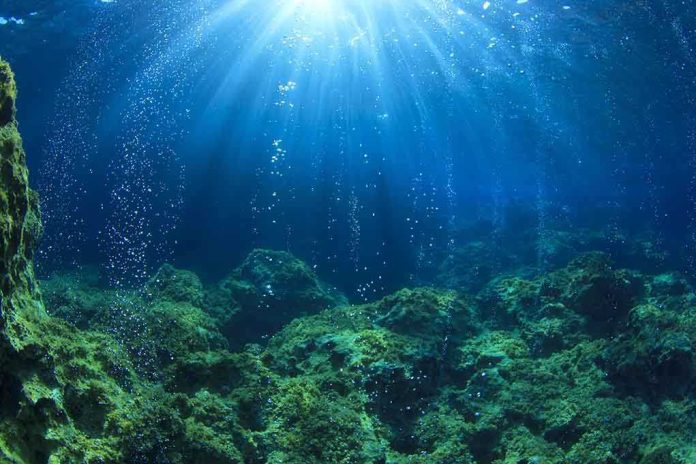
Coral reefs, if properly managed and restored, hold the potential to feed millions, a promise that highlights the critical need for immediate conservation efforts.
Story Highlights
- Coral reefs can provide essential nutrients to millions in coastal regions.
- Current degradation of reefs threatens their ability to support fisheries.
- Resilient reef management could mitigate global health crises.
- Effective policies and protection initiatives like 30×30 are crucial.
Reefs as a Nutritional Lifeline
Coral reefs have supported human nutrition for centuries, offering fish, seaweed, and mollusks rich in critical micronutrients. These nutrients are particularly vital for coastal communities that rely heavily on reef-based fisheries. However, since the 1980s, global warming, overfishing, and pollution have accelerated reef degradation, threatening their ability to provide these nutritional benefits.
Despite the challenges, scientific research reveals that even bleached reefs retain the potential to supply vital nutrients if managed effectively. This underscores the importance of protecting resilient strains to ensure future recovery and food security for millions in tropical coastal communities prone to nutrient deficiencies.
The Role of Key Stakeholders
Organizations like Coral Guardian and NOAA’s Atlantic Oceanographic and Meteorological Laboratory (AOML) are pivotal in advocating for reef management and conducting research on threats and restoration. These entities focus on science-driven conservation to avert health crises and harness economic benefits from fisheries and tourism.
Collaborations between governments, NGOs, and local fishers are essential, as the latter have on-the-ground influence yet limited decision-making power. Policymakers, UN ocean initiatives, and funders prioritizing resilient reefs play crucial roles in driving protective measures and policies.
Current Developments and Future Outlook
Current initiatives, such as the 30×30 protection strategies, aim to safeguard high-potential reefs to ensure their resilience and continuous nutrient delivery. The National Academies and NOAA emphasize the need for effective management of small-scale fisheries to prevent immediate nutrient deficiencies and ensure long-term food security.
George McInerney finds this interesting 👍 Coral reefs could feed millions if we let them rebuild https://t.co/3NtpRrhnwc
— George McInerney (@gmcinerney) January 4, 2026
For the broader industry, the sustained function of coral reefs could boost aquaculture and seaweed sectors, influencing global health policy by linking ocean conservation to human nutrition. This makes the protection and rebuilding of coral reefs a priority not just for environmentalists but for policymakers and health advocates worldwide.
Sources:
Climate-Impacted Reefs to Supply Vital Micronutrients Through Fisheries
The Surprising Connections Between Coral Reefs and Human Health
Resilience Interventions for Coral Reefs