Iran’s real test is not whether the strikes hurt; it is whether Tehran can rebuild fast enough to turn damage into a strategic shrug.
Quick Take
- U.S. intelligence reports say Iran is restoring parts of its military-industrial base faster than Washington expected [1][2].
- The most alarming detail is drone production, which the reporting says may be back online already or recoverable within months [1][2].
- The dispute is not just about destruction; it is about how much industrial capacity survived dispersal, hardening, and foreign support [1][2].
- The story lands directly in President Donald Trump’s lap because fast reconstitution changes the leverage behind any negotiation [2].
What the Intelligence Reporting Says
Multiple reports say American intelligence now believes Iran is rebuilding military capabilities much faster than first estimated, with renewed drone production standing out as the clearest sign [1][2]. One source familiar with the assessments said the damage may have set Iran back only a few months rather than years [1]. The central issue is not whether Iran took damage. The issue is whether the damage was deep enough to slow the machine for long.
The public claim matters because drone production is not a symbolic line item. It is the most flexible part of Iran’s strike portfolio, cheap enough to mass produce and useful enough to pressure shipping, proxies, and regional defenses [2]. If the industrial line resumes quickly, then a strike campaign that looked decisive on television may look temporary in practice. That is why the phrase “reconstitution” should make policymakers uneasy.
Why Drone Production Changes the Strategic Picture
The reporting says some production facilities were already back online during the ceasefire, and a U.S. official was quoted as saying Iran could restore full drone capability within six months [2]. That timeline matters because it compresses the window for deterrence. A country that can replace its one-way attack drones quickly does not need to win a war outright. It only needs to survive long enough to keep threatening, probing, and bleeding the other side.
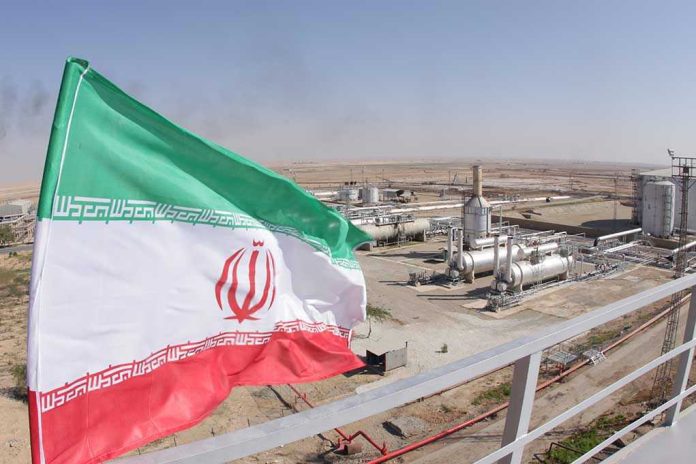
Drone capacity also signals something broader: industrial resilience. The report says Iran is restoring missile sites, launch systems, and parts of its defense industrial base, not just a few assembly lines [2][4]. That distinction matters. A repaired facility is one thing. A surviving network of machine tools, personnel, procurement channels, and dispersed sites is another. The second version is much harder to destroy, and much faster to revive.
Foreign Help, Hidden Inputs, and the Verification Problem
The reporting also points to Russia and China as possible enablers of Iran’s recovery [1]. That claim fits common sense because sanctions do not stop a determined buyer; they just force the buyer to use secrecy, intermediaries, and patient logistics. Still, public evidence in this case is thin. The reports cite unnamed intelligence sources and political statements, but they do not show shipment records, forensic component tracing, or seized cargo that would settle the question cleanly [1][2].
🇺🇸 US intelligence says Iran quickly rebuilt parts of military industrial base, including drone production: Report
🪖 Iran is reportedly restoring missile sites, launch systems and manufacturing capacity for key weapons damaged or destroyed https://t.co/G7pIjDa7I2 pic.twitter.com/Kia4GG8X6n
— Anadolu English (@anadoluagency) May 21, 2026
That gap is where public debate often goes off the rails. One side hears “Iran is rebuilding” and assumes the threat has already returned in full. The other hears “sources say” and dismisses the warning as leak-driven theater. Both reactions can be wrong. Conservative common sense favors a harder standard: assume the threat is real enough to matter, but demand proof before accepting the most dramatic version of it. That is how you avoid both complacency and panic.
What This Means for Trump and the Next Negotiation
This development complicates President Trump’s options because negotiations work best when the other side believes time is not on its side [2]. If Iran can restore key capabilities quickly, then the pressure from strikes fades faster. That weakens the argument that military action alone can buy durable restraint. It also means any diplomatic deal has to account for industrial recovery, not just nuclear paperwork or temporary ceasefire language.
The larger lesson is simple and uncomfortable: modern military power does not disappear when the smoke clears. It disperses, hides, repairs, and restarts. If the intelligence reporting is accurate, Iran has already shown that it can absorb damage and move back toward production before the public argument even settles. That is why this story is not really about one strike package. It is about whether America and its allies can measure recovery as well as they can measure destruction.
Sources:
[1] Web – Iran rebuilds military industrial base faster than US expected, report …
[2] YouTube – Iran Rebuilding Military Industrial BASE Faster Than …
[4] Web – US intelligence believes Iran quickly rebuilt military industrial base …