
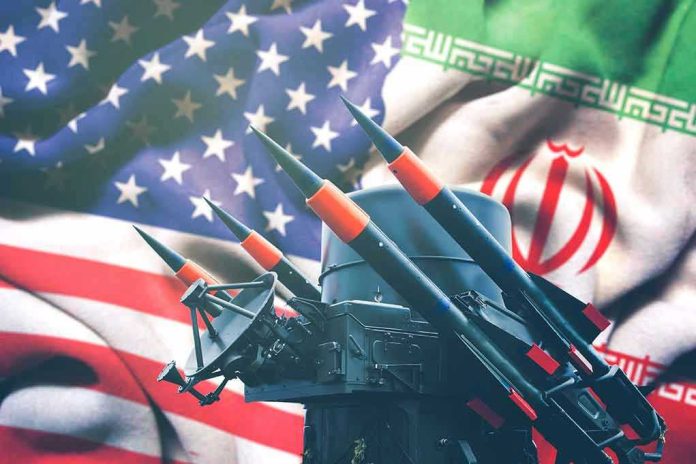
A stern warning from the U.S. Secretary of War signals a decisive shift in American policy, challenging Iraq’s armed factions and sending a clear message to Iran-backed militias.
Story Highlights
- U.S. warns Iraq against militia interference in upcoming military operations
- Secretary of War Pete Hegseth emphasizes “maximum lethality”
- Sanctions imposed on Iranian-linked entities in Iraq
- Operations align with Trump’s aggressive foreign policy stance
U.S. Policy Shift: A New Era Under Trump
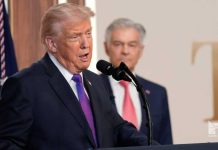
In a decisive move, U.S. Secretary of War Pete Hegseth has issued a stern warning to Iraqi officials, cautioning against interference by armed factions in planned U.S. military operations. This marks a significant shift in American foreign policy under President Trump, prioritizing aggressive tactics over the cautious approaches of the past. The warning, delivered via a phone call to Iraqi Defense Minister Thabet al-Abbasi, underscores the administration’s readiness to respond decisively to any disruptions.
Sanctions and Military Preparedness
On October 9, 2025, the U.S. Treasury imposed sanctions targeting Iraqi banking figures and companies linked to the Iranian Revolutionary Guard and Hezbollah Brigades. These sanctions are part of a broader strategy to curb the influence of Iran-backed militias in Iraq. As Iraq prepares for its parliamentary elections, the Trump administration’s stance is clear: interference by these factions will not be tolerated. Hegseth’s approach contrasts sharply with the perceived restraint during the 2003 Iraq invasion, emphasizing a shift to “maximum lethality.”
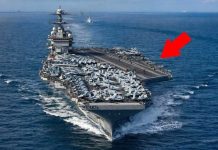
The rebranding of the Defense Department to the “Department of War” reflects the administration’s commitment to a more assertive military posture. Hegseth, a veteran of Iraq and Afghanistan, has been a vocal critic of what he perceives as overly restrictive rules of engagement. His appointment as Secretary of War signals a departure from previous policies, advocating for a military culture rooted in traditional values and merit-based reform.
Impact on U.S.-Iraq Relations
The warning issued to Iraq and the accompanying sanctions have heightened tensions in the region. As Iraq navigates its complex political landscape, the U.S. is leveraging its military and economic power to influence the outcome of the upcoming elections. The potential for escalation with Shiite factions, such as the Popular Mobilization Forces, remains high, and the outcome of the elections could significantly impact U.S.-Iraq relations.
Sources:
US Warns Baghdad Against Armed Faction Interference in Planned Operations
Hegseth’s War: Rules of Engagement
What’s Behind Defense Secretary Pick Hegseth’s War on Woke
Pete Hegseth’s Defense and Religion
The Iraq Invasion: 20 Years Later