A war-driven oil shock is pushing families and businesses toward solar and EVs—yet the biggest winner so far isn’t the U.S. or Europe, it’s China’s clean-tech export machine.
Story Snapshot
- Disruptions around the Strait of Hormuz have tightened oil and gas supplies, raising energy costs across major importing regions.
- Higher fossil-fuel prices are accelerating interest in rooftop solar, batteries, and electric vehicles—products China dominates at scale.
- China entered the crisis with major advantages: large crude stockpiles, a coal “backstop,” and globally competitive solar and battery supply chains.
- Early indicators show demand spikes in places like the UK, while Pakistan’s years-long solar buildout is helping soften the blow.
Hormuz disruption exposes how fragile global energy still is
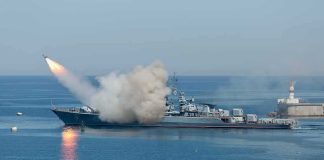
Late February 2026 fighting linked to Iran sharply disrupted energy flows through the Strait of Hormuz, a chokepoint that has long been central to global oil shipping. With supply risk rising, prices moved higher and importing countries faced immediate pressure on household budgets and industrial costs. The episode is a reminder that energy security is not an abstract policy debate—it is the difference between stable prices and sudden, punishing spikes that ripple through inflation.
Energy shocks tend to reorder priorities quickly. When gasoline, heating, and electricity costs jump, voters demand relief and businesses look for ways to cut exposure to volatile fuel markets. That is why the current disruption has coincided with increased interest in alternatives that reduce oil and gas dependence, including electric vehicles and rooftop solar. Early reporting points to a rise in UK EV leasing and solar inquiries in March as consumers tried to get ahead of higher energy bills.
China’s clean-tech surge looks less like luck and more like preparation
China is not immune to Middle East instability. Reporting indicates Beijing still sources a large share of oil and a meaningful portion of LNG from the region, which should make it vulnerable when the Strait of Hormuz is disrupted. Yet analysts argue China built cushions years in advance: electrification that trims oil demand growth, domestic coal generation that can flex during disruptions, and crude stockpiles designed to cover months of imports.
Those buffers matter because they buy time. While other countries scramble for supplies, China can lean on reserves and domestic generation while keeping factories running and exporters shipping. That advantage is amplified by scale in manufacturing. Data cited in recent coverage notes that in December 2025, Chinese exports of clean-tech goods—such as solar panels, batteries, and EVs—hit a record $22.3 billion, up 47% year-over-year, before the war shock even arrived.
Rising demand is colliding with one country’s near-total dominance in key supply chains
When fossil energy becomes riskier and more expensive, the market naturally shifts toward technologies that can be deployed quickly and financed predictably. Solar modules, batteries, and mass-market EVs fit that bill, and Chinese firms have become major global suppliers across all three categories. Buyers from Europe to parts of Asia are already conditioned to turn to China for price and volume, which means a crisis-driven surge in demand can translate into a surge in Chinese export revenue.
That dynamic creates a strategic tension for the United States and its allies. Many voters who are skeptical of “green” mandates still want affordable, reliable power—and they do not want America trading one dependency for another. If the policy response to an oil shock is simply “buy more Chinese solar and batteries,” Western governments may reduce exposure to Middle East energy risk while increasing exposure to Chinese industrial leverage. The reporting so far does not settle that debate, but it frames the stakes clearly.
Pakistan and the UK hint at where the political pressure may build next
Pakistan offers a case study in how early adoption can cushion later shocks. Coverage cites Pakistan importing more than 50 gigawatts of Chinese solar capacity since 2017, helping reduce vulnerability when fuel imports become more expensive or harder to secure. That does not eliminate Pakistan’s exposure to oil and LNG, but it shows that distributed generation can act as a pressure valve during global disruptions—especially for countries that struggle to finance large, centralized projects.
In the UK, early-war indicators cited in reporting show EV leasing jumping by more than a third and rooftop-solar interest rising in March. That kind of consumer behavior tends to show up politically as well: leaders get pressured to speed permitting, expand grid capacity, and adjust subsidies or tariffs. The uncertainty is whether the world gets a prolonged disruption or a durable ceasefire; either way, the last two months have already reminded households that energy policy quickly becomes kitchen-table economics.
What it means for U.S. policy debates under Republican control
For Americans frustrated with high costs and elite-driven policy swings, the lesson is straightforward: energy security requires redundancy, not slogans. The Iran-related disruption is pushing renewables faster, but the supply chain reality favors Beijing today. Republican control of Washington gives the U.S. room to pursue a broader “all of the above” approach—encouraging domestic production, building resilient grids, and expanding manufacturing capacity—without forcing families into expensive transitions that depend on foreign suppliers.
At the same time, the reporting underscores a hard truth that cuts across party lines: the federal government’s long-term planning has lagged behind real-world shocks. Voters can reasonably demand policies that keep energy affordable while reducing strategic vulnerability—whether to Middle East chokepoints or Chinese dominance in critical technologies. The available data in current coverage points to accelerating global demand for clean tech, but it remains unclear how quickly non-Chinese supply chains can scale to compete on cost and volume.
Sources:
Iran war’s global energy crisis sharpens China’s advantage in clean energy
China clean energy and coal cushion oil dependence amid Iran war