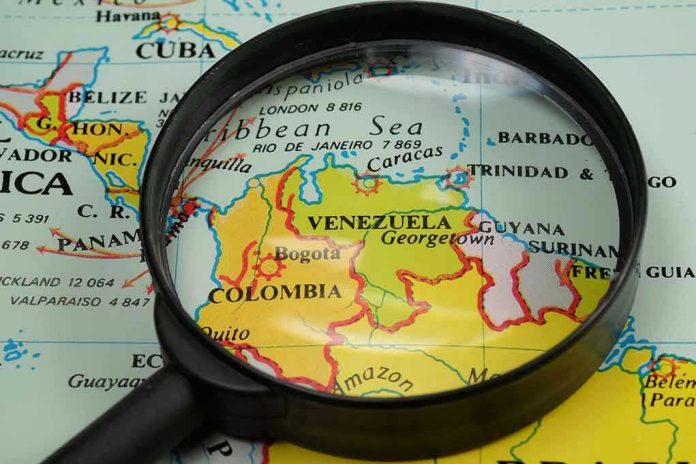
A new U.S. policy threatens to isolate Cuba, aiming for regime change without military intervention, raising concerns among conservatives about potential fallout.
Story Snapshot
- Trump’s administration is increasing pressure on Cuba, cutting off Venezuelan oil and legal migration paths.
- The strategy aims to economically and demographically isolate Cuba, encouraging regime collapse.
- Experts warn of potential humanitarian crises and regional instability.
- Cuban-American communities in Florida are reacting with mixed responses.
Trump Administration’s Strategy on Cuba
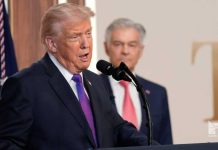
President Trump has initiated a policy aimed at forcing regime change in Cuba by cutting off Venezuelan oil supplies and dismantling legal migration pathways. This “maximum-pressure” strategy replaces previous approaches like the “Cuban Thaw” and aims to economically and politically isolate Cuba without deploying U.S. military forces, betting on internal collapse.
The administration’s actions follow the capture of Venezuelan President Nicolás Maduro, viewed as a move affecting Cuba due to its reliance on Venezuelan oil. Trump has openly suggested that Cuba’s regime is “ready to fall,” signaling a preference for regime collapse through pressure rather than invasion.
Impact on Cuban Economy and Society
Cuba is experiencing severe economic challenges, including fuel shortages, foreign currency scarcity, and repeated nationwide blackouts. The U.S. has intercepted oil tankers from Venezuela, which Havana condemns as “piracy,” exacerbating these issues and linking them directly to the island’s power struggles. The Cuban government is implementing emergency economic measures to manage the crisis, but public frustration is growing.
In the U.S., nearly all legal migration channels for Cubans have been dismantled. The Cuban Adjustment Act remains technically intact but is practically unusable due to the lack of lawful entry routes. This has sparked protests among Cuban-American communities in Florida, reflecting a diverse array of opinions on the Trump administration’s hardline stance.
Potential Consequences and Reactions
Analysts are concerned about the risks associated with the U.S. strategy, including the possibility of a humanitarian crisis and regional instability. The Trump administration has yet to outline a detailed plan for post-collapse Cuba, raising questions about the long-term implications of this policy approach.
Cuban-American political leaders and communities are divided; some criticize the immigration restrictions, while others support measures to increase pressure on the Cuban regime. The policy highlights the complex dynamics of U.S.-Cuba relations and the influence of Cuban-American voters in shaping the political landscape.
Sources:
Why Trump’s Strike on Venezuela Was Really About Cuba
Trump Freezes Immigration Cases as Blackouts and Health Crises Grip Cuba
Cuba’s Crisis Deepens Amid Trump’s Venezuela Policy
Fears Grow of Economic Collapse in Cuba Following Venezuela Raid