
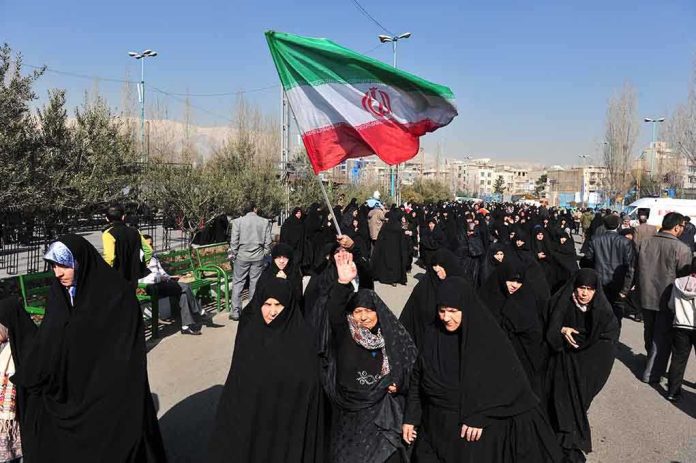
Iran’s rial has collapsed to a record low, igniting nationwide protests that expose the brutal failures of the Islamist regime’s mismanaged economy.
Story Snapshot
- Protests erupted December 28, 2025, at Tehran’s Grand Bazaar over hyperinflation and rial devaluation, spreading to multiple cities by December 30.
- Bazaar merchants struck first, shutting down the historic market as currency collapse wiped out profits and spiked prices nationwide.
- U.S. sanctions since 2018, combined with regime mismanagement, fuel triple-digit inflation, hitting low-income families hardest.
- Ongoing unrest signals deepening crisis, weakening Iran’s regional power while echoing past economic revolts against the regime.
Protests Ignite at Tehran’s Grand Bazaar
Bazaar merchants in Tehran launched a strike on December 28, 2025, closing the Grand Bazaar after the rial hit a record low. Currency devaluation eroded traders’ profits, forcing the shutdown amid skyrocketing prices. Demonstrations quickly grew as citizens joined, facing daily hardships from hyperinflation. This historic economic hub, a barometer of public anger, now stands empty, amplifying economic desperation across Iran.
Roots in Sanctions and Regime Mismanagement
U.S. sanctions reimposed in 2018 after the JCPOA withdrawal triggered chronic inflation, worsened by oil disruptions and subsidy cuts in 2024-2025. Rial depreciation accelerated amid regional conflicts, pushing inflation into triple digits. Iranian leaders’ fiscal failures compounded the crisis, unlike stable economies under strong leadership like President Trump’s America First policies. Ordinary Iranians suffer while the regime prioritizes terror funding over its people.
Nationwide Spread and Stakeholder Pressures
By December 30, protests expanded beyond Tehran to other cities, drawing merchants, traders, and citizens demanding economic relief. Bazaar guilds, powerful economic influencers, challenge state control strained by reforms. The regime deploys security forces to suppress unrest, favoring crackdowns over accountability. No official statements emerged, highlighting fragility as low-income groups face shortages and bankruptcy risks.
Economic and Political Fallout
Bazaar closure disrupts trade, causing immediate shortages and price surges that batter consumers. Hyperinflation undermines imports and rial value, risking recession if unaddressed. Socially, protests erode public trust, fueling anti-regime sentiment akin to 2019 fuel riots. Politically, heightened tensions strain resources, potentially destabilizing the government. Iran’s weakened influence deters investment, contrasting America’s booming economy under Trump.
Expert Views on Escalation Risks
Analyses describe the unrest as sparked by catastrophic devaluation, predicting worse without reforms. The bazaar strike signals a deepening crisis warranting global watch. Consensus ties sanctions and mismanagement to desperation driving protests. Historical patterns show economic woes repeatedly ignite Iranian revolts, underscoring regime vulnerabilities. Stability hinges on addressing inflation, not suppression.
Sources:
Iran’s Inflation Crisis Triggers Protests Nationwide as Bazaar Shuts Down
Protests Erupt In Iranian Capital Following Record Drop In Rial Value – OpEd