As squatters brazenly camp out in a $2.3 million Maryland mansion, neighbors are discovering just how little protection the law now offers taxpayers who play by the rules.
Story Highlights
- Alleged squatters seized a $2.3 million foreclosed mansion in elite Bethesda, Maryland, triggering a drawn-out legal fight.
- Maryland’s tenant-friendly laws turned obvious trespass into a slow civil process, leaving the neighborhood on edge.
- One alleged squatter was arrested on a trespassing warrant while the other reportedly remains inside amid pending charges.
- The case spotlights a national squatting crisis and fuels demands for Florida-style crackdowns and stronger property rights.
Squatters Move Into A Luxury Suburban Mansion
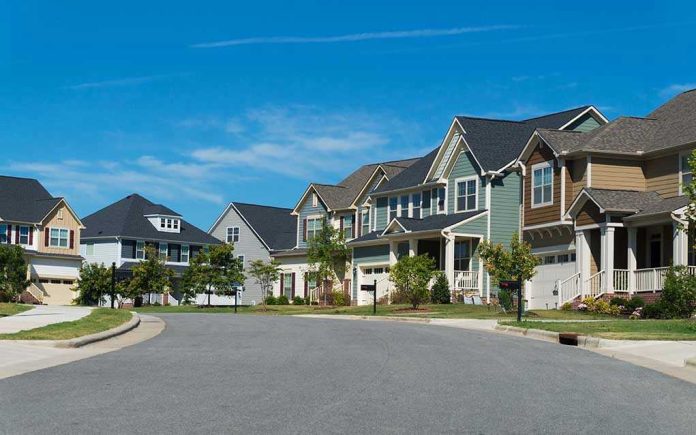
On Burning Tree Road in Bethesda, Maryland, an affluent neighborhood watched in disbelief as two alleged squatters, Tamieka Goode and Corey Pollard, moved into a foreclosed $2.3 million mansion around the July 4 weekend of 2025. The property had just shifted to Citigroup Mortgage after foreclosure and was briefly vacant while listed for sale. During that vulnerable window, neighbors noticed unfamiliar faces and activity, triggering concerns about who now occupied the once carefully maintained home.
Citigroup Mortgage, as the new legal owner, responded by filing an unlawful detainer action in Montgomery County Court, a civil process typically used to evict delinquent tenants rather than remove trespassers. Neighbors began documenting comings and goings, filing complaints and pushing for action from both police and local courts. Their frustration grew as weeks passed, with the mansion effectively transformed from a high-end listing into a flashpoint over who really has rights in modern Maryland.
Criminal Charges, Missed Hearings, And A Tense Neighborhood
As the occupation dragged on, criminal charges followed. Goode faced burglary and trespassing counts tied to the disputed entry, yet she failed to appear for at least one scheduled court hearing, deepening neighbors’ sense that accountability was slipping away. On December 8, officers finally arrested Pollard in the driveway on a trespassing warrant, but the arrest did not immediately end the saga. Reports indicate Goode still remained connected to the property while the civil eviction case and criminal matters moved slowly forward.
Residents along Burning Tree Road described a shift from calm stability to anxiety and anger. Some spoke anonymously, citing safety fears and worries about retaliation. They stressed that the fight was about more than real estate values, pointing to the risks of having alleged offenders with prior criminal histories embedded on a quiet family block. One neighbor urged state lawmakers to close legal loopholes, arguing that homeowners and legal title holders should never feel powerless to reclaim their own property from unlawful occupants.
How Maryland’s Laws Turn Trespass Into “Tenant” Protection
Maryland’s current legal framework lets people who settle into a vacant property quickly claim tenant-style protections, even when they never signed a lease or paid a dollar in rent. Once inside for a short period, they are often treated as civil occupants rather than criminal intruders, forcing owners into drawn-out unlawful detainer suits. That process can take months, sometimes longer, during which time the de facto residents enjoy shelter, utilities, and neighborhood access as if they belonged there legitimately.
Local investigative outlets have called this case a test of the state’s response to a “growing squatting crisis,” fueled by social media videos that teach would-be occupiers how to manipulate tenant rules. Other Maryland cases involve rehab homes in Baltimore being taken over or sales halted while opportunists demand “cash for keys” payouts to leave. For conservative homeowners who see property rights as a bedrock constitutional value, this arrangement looks backwards: law-abiding citizens foot the bill while trespassers leverage technicalities for free luxury living.
National Pattern: From Bethesda To Florida, New York, And Beyond
The Bethesda mansion fight fits a broader national story. Florida confronted a wave of social media-inspired squatting and responded with tougher laws allowing law enforcement to remove illegal occupants more quickly from homes. New York City has seen squatting disputes escalate into violence, including a high-profile case where two people were charged in a killing linked to a conflict over an occupied property. Even celebrity neighborhoods, like one tied to LeBron James, have endured mansions trashed by long-term squatters before owners finally regained control.
Other Maryland and D.C.-area incidents, including a viral Airbnb squatter case in Washington, reveal how extended tenant protections can be exploited in rentals and private homes alike. Banks and individual owners face mounting legal costs and delays, while buyers hesitate to close on properties clouded by disputes. Conservatives see this as one more symptom of a system that often prioritizes process over justice, rewarding those who game the rules instead of those who honor contracts and mortgages.
Pressure Builds For Reform And Stronger Property Rights
For many on the right, the Bethesda case underscores why laws must clearly side with lawful owners and communities, not opportunistic trespassers. Neighbors have called the mansion takeover “illegal” and “immoral” and urged the state legislature to follow states like Florida by fast-tracking removal of people who cannot prove a legitimate lease or ownership interest. They argue that a system requiring months of civil litigation to reclaim a foreclosed home effectively invites abuse and undermines respect for the rule of law.
As President Trump’s second administration focuses nationally on law and order, border security, and reversing permissive left-wing policies, local fights like this illustrate how state-level choices still determine whether ordinary families feel protected. When criminals with prior records can occupy multimillion-dollar homes in elite neighborhoods while owners and neighbors wait on sluggish courts, confidence in government erodes. Conservatives view restoring swift, decisive enforcement against squatting as essential to defending property rights, neighborhood safety, and the basic fairness that should define American life.
Sources:
Squatters Swipe $2.3 Million Mansion In Swanky DC Suburb
A $2.3M Maryland home allegedly taken over by squatters leaves block on edge
DC Airbnb squatter case highlights tenant-rights controversy